


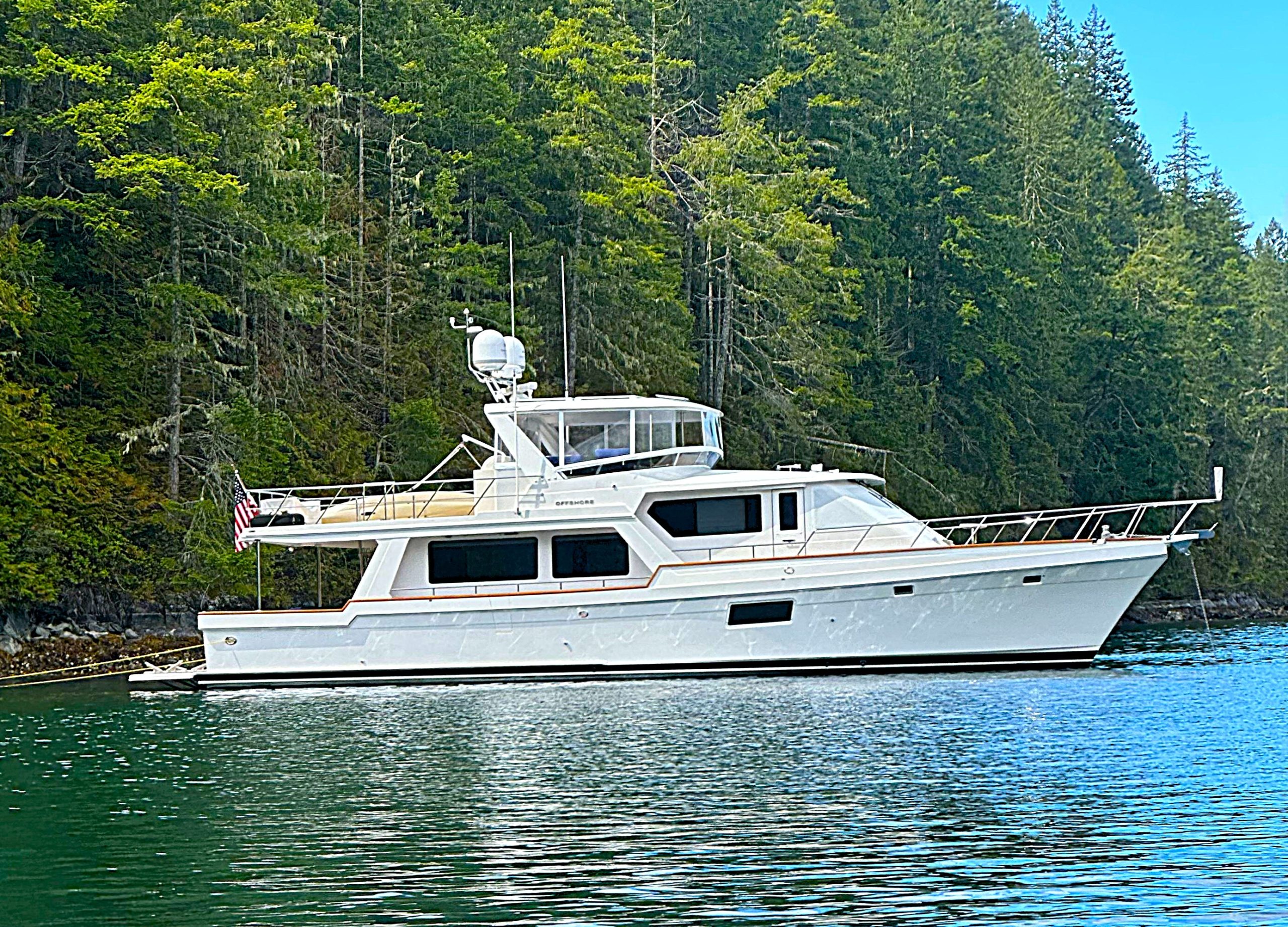
What Makes a Yacht Truly ‘Northwest Ready’ — Lessons from 20 Years of Offshore Design
October 7, 2025 | Chris MurrayBy Chris Murray, Authorized Representative for Offshore Yachts & Outback Yachts
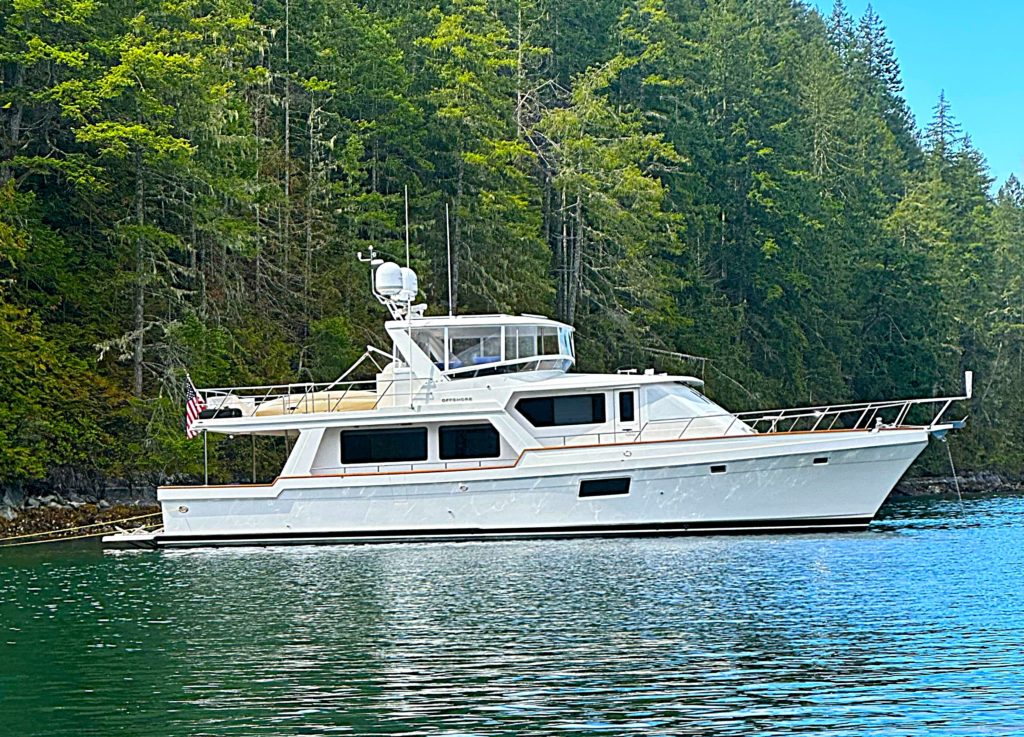
Cruising the Pacific Northwest is unlike anywhere else in the world. The beauty of the Inside Passage, San Juan Islands, and Desolation Sound is matched only by the region’s shifting conditions—currents, fog, rain, and the occasional northwest blow. For yacht owners, that means one thing: your vessel needs to be Northwest ready.
After over two decades working with Offshore Yachts, I’ve seen firsthand what separates a yacht that looks the part from one that’s truly built for the region. Offshore’s philosophy—“The softest ride on the water”—isn’t just marketing; it’s the backbone of design decisions that make these yachts so well-suited for coastal and inside waters. Here’s what makes the difference.
1. Hull Design That Handles Weather
A Northwest-ready yacht must balance comfort and control. Offshore’s deep forefoot and moderate deadrise allow her to slice through chop while keeping motion soft and predictable. In confused seas, the hull form delivers confidence and stability without punishing speed or fuel efficiency. It’s why Offshore owners regularly cruise from Seattle to Alaska without hesitation.
2. Serious Heat and Ventilation
The PNW demands all-season capability. Diesel heat is essential—not just a small unit, but a full system that distributes warmth throughout the yacht. Add to that proper window defogging, heated heads, and reliable ventilation, and you’ve got a yacht that’s just as comfortable anchored in Princess Louisa Inlet in May as it is in Roche Harbor in July.
3. Redundant and Reliable Systems
Northwest cruisers know: you can’t count on perfect weather or quick access to service. That’s why true cruising yachts emphasize redundancy. Dual Racor filters, backup freshwater pumps, spare parts storage, and easy engine-room access aren’t optional—they’re part of the Offshore DNA. These details don’t show up in glossy photos, but they make all the difference offshore and underway.
4. Thoughtful Visibility and Sightlines
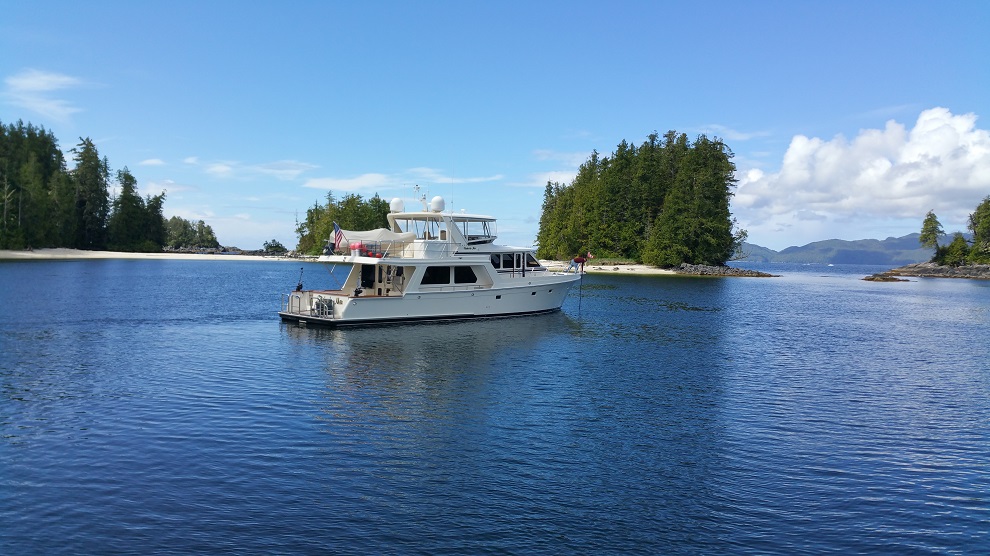
With long hours of twilight and foggy mornings, visibility matters. Offshore’s pilothouses are known for their commanding views, low windows, and protected overhangs—providing excellent sightlines while keeping glare and sun out of the skipper’s eyes. Add side-deck access doors, and you can handle lines and fenders without leaving the safety of the helm.
5. Equipment That Extends the Season
Being Northwest-ready means you can stretch the boating season. Stabilizers, upgraded electronics, and a watermaker open up the freedom to stay out longer. Proper tender storage—often overlooked—ensures quick access to shore for exploring.
6. Build Quality That Lasts
The Northwest rewards yachts that are built to last. Offshore’s construction standards,hand-laid fiberglass, robust stringer systems, and superb fit and finish are designed to handle decades of use in real-world conditions. All of the Offshores I’ve sold over the years are still in active service today, with proud owners who continue to cruise confidently.
The Bottom Line
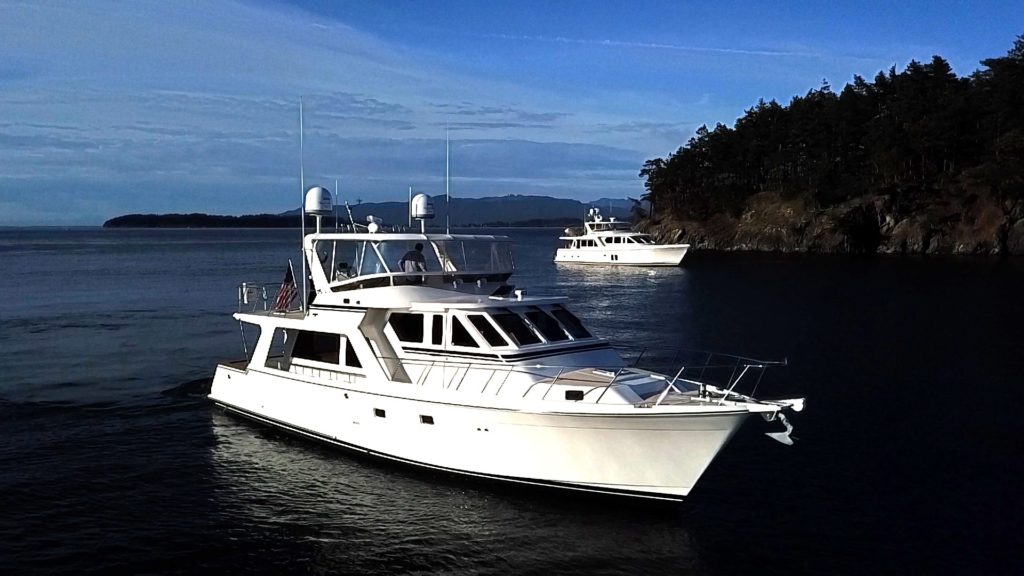
Being “Northwest ready” isn’t about adding gadgets—it’s about thoughtful design, proven engineering, and the right equipment for extended coastal cruising. Offshore Yachts has refined this formula over decades, creating vessels that inspire confidence from Puget Sound to Glacier Bay.
If you’re considering your next step in cruising, or want to experience what a true Northwest-ready yacht feels like, I’d be happy to show you firsthand aboard the Offshore, equipped and ready to go.
By Chris Murray
Authorized Representative — Offshore Yachts & Outback Yachts–

